Karl Lagerfeld and Chanel : The Reinvention of a Fashion Empire
Few designers in fashion history transformed a maison as profoundly as Karl Lagerfeld did at Chanel. When Lagerfeld arrived at Chanel in 1983, the house was respected for its legacy but widely considered outdated. Through his visionary direction, he revived Chanel and transformed it into one of the most influential luxury brands in the world.
The State of Chanel Before Karl Lagerfeld
Founded by Gabrielle "Coco" Chanel in 1910, Chanel revolutionized women’s fashion through minimalist elegance, jersey tailoring, tweed suits, costume jewelry, and the iconic quilted handbag.
However, after Coco Chanel’s death in 1971, the house gradually lost momentum. By the late 1970s and early 1980s, many considered Chanel conservative and disconnected from modern fashion trends.
When Karl Lagerfeld was appointed artistic director in 1983, the decision surprised the fashion world. At the time, reviving an old couture house was seen as risky. Lagerfeld himself famously remarked that Chanel was “a sleeping beauty.”
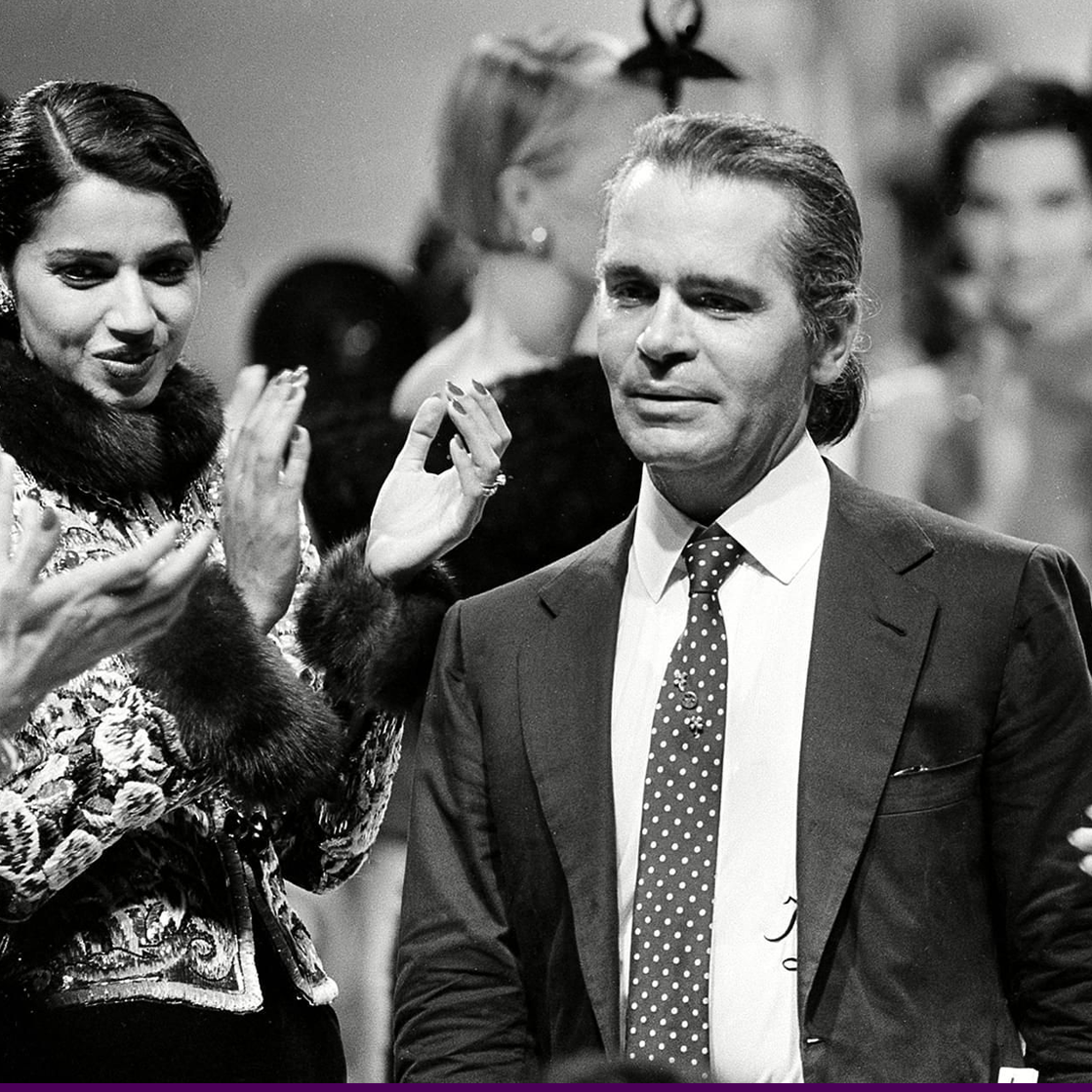
Karl Lagerfeld in 1983 at the Chanel "Haute Couture” show
© JACQUES LANGEVIN/AP/REX/Shutterstock
Reinventing Chanel Without Erasing Its Heritage
Karl Lagerfeld’s genius was his ability to modernize Chanel while preserving its core identity.
Rather than abandoning the codes created by Coco Chanel, he amplified them by reworking on the most classic patterns of the brand such as the tweed jackets, camellias, pearls, the CC logo or pearls. These historic symbols therefore turned into bold fashion statements adapted to contemporary culture.
Under Lagerfeld, Chanel became younger and more globally desirable
Fashion Shows as Spectacle
Karl Lagerfeld also revolutionized the fashion show itself.
Under his direction, Chanel runway presentations became legendary theatrical productions staged all over the world in exceptional places.
Lagerfeld transformed the venues such as the Grand Palais used for the Parisian runaway in Supermarkets, Airport, Beaches, Rocket launch stations, Parisian street, Icebergs and gardens
These extravagant sets helped position Chanel not only as a fashion house, but as a global cultural phenomenon.
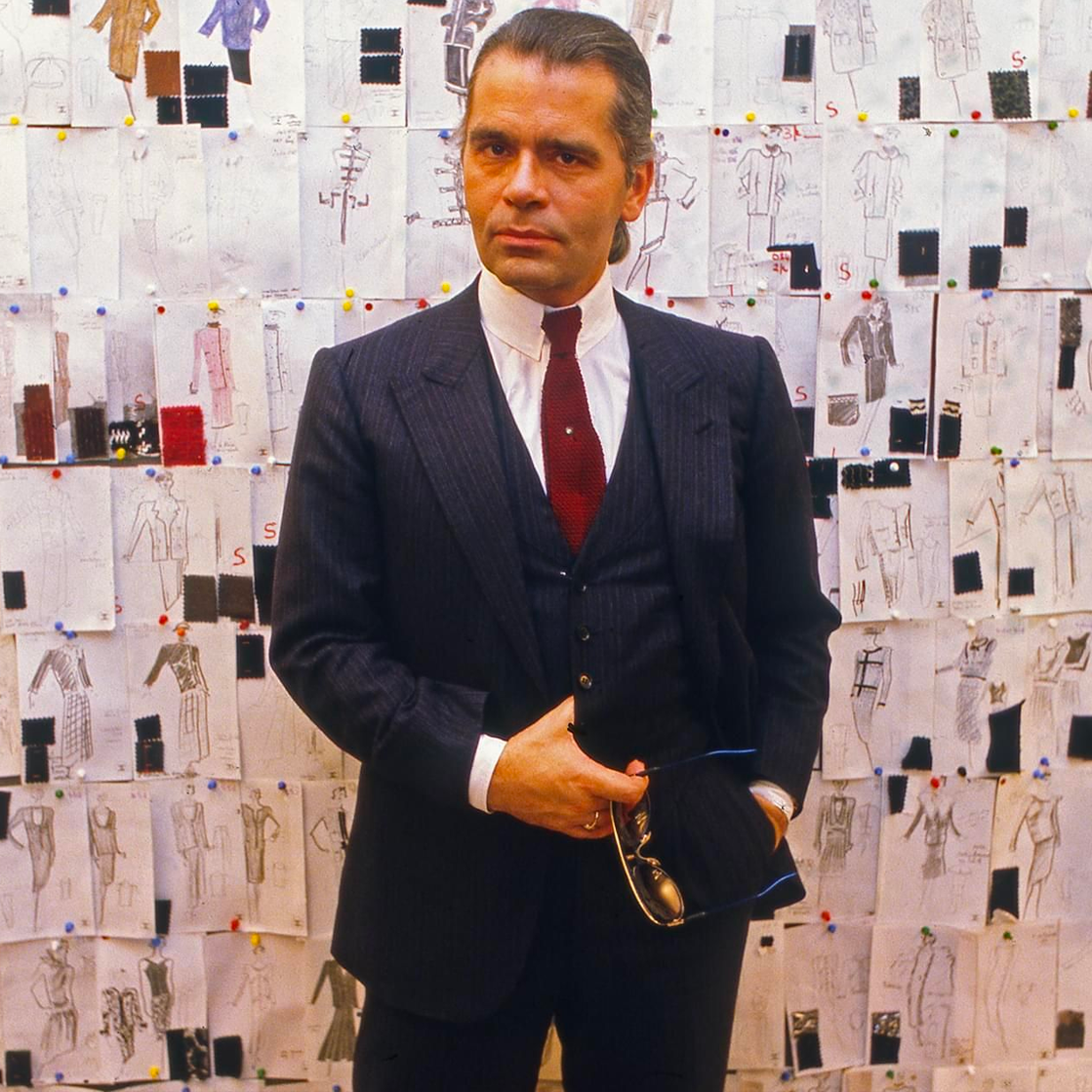
Karl Lagerfeld in the Chanel workshop in 1983
© John van Hasselt/Sygma via Getty Images
Karl Lagerfeld’s Vision
Lagerfeld was known for his extraordinary productivity and sharp visual identity and his approach was simple but clear : respect tradition, but never become trapped by it. This mindset allowed Chanel to remain both timeless and modern.
Karl Lagerfeld remained creative director of Chanel for over 35 years until his death in 2019. His passing marked the end of one of the most influential collaborations in fashion history.
Today, many collectors consider the Lagerfeld years — particularly the 1980s and 1990s — to represent a golden era of Chanel craftsmanship and design.
Legacy
Karl Lagerfeld did more than revive Chanel — he redefined how a historic luxury house could evolve in the modern era. By combining Coco Chanel’s timeless codes with his own bold creativity, he created a visual language that continues to shape the identity of Chanel today.
To this day, even if the creative director changed several times since his death, his influence remains visible in various aspects of the brand and everyone could probably agree that very few designers have ever left such a lasting imprint on a fashion house as Karl Lagerfeld did on Chanel.